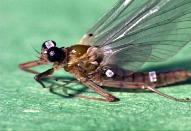
common in the park and usually
exist in large quantities. There are
many different species of them.
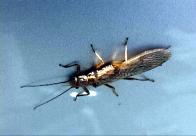
common in most of the park’s
streams. They can really turn the
trout on for some fast action.
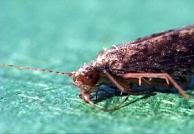
the park. To be successful on
many of the streams, you must
know how to fish the caddisfly
hatches.
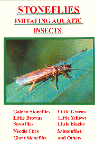
Click Here for More Information
Mid-western and Western Mayflies, including the nymphs, emergers, duns and spinners. Learn the successful strategies for imitating mayfles.
2 DVD Disc: $29.95
Click Here for More Information

Click below for a list of flies for Yellowstone:
Mayflies
Caddisflies
Stoneflies
Midges
Streamers
Terrestrials
We will help you select flies
for your Yellowstone trip.
Just call us Toll Free at
800-594-4726 or email us
and tell us when you will be
fishing. Although we can
arrange faster delivery,
please allow five days for
normal delivery. Shipping in the U.S. is free. We will select the flies based on the insects that will be hatching at that time.
Yellowstone National Park “Perfect Fly” Selections
Best Yellowstone National Park Fly Selection:
Includes 108 flies that imitate the vast majority of the most important foods trout eat in Yellowstone streams. Save $25.10 over the regular price.
Click Here For Detailed Information
Good Yellowstone National Park Fly Selection:
Includes 82 flies that imitate the most of the important trout foods trout eat in Yellowstone streams. Save $14.60 over the regular price.
You will find that the Yellowstone National Park has a huge diversity of aquatic insects. This large variety of insects has caused many anglers to shy away from trying to determine what insects the trout may be feeding on at any given time and place.
Mayflies
Caddisflies
Stoneflies
Midges
Other Aquatic Insects
Hatch Charts
Importance:
Many anglers are of the opinion that hatches are not important in the park. This same line of thinking is largely responsible for those same anglers labeling fishing conditions as excellent, good, average and bad. When they fail to catch trout using their standby methods and fly patterns, they sometimes falsely assume that fishing is bad.
In general, determining what food the trout are taking is just as important in the park as it is in any stream anywhere in the nation.
Hatch Intensity:
Most anglers haven’t seen large hatches such as they can see at times in the park, especially on the Madison, Firehole and Yellowstone Rivers. They are, for the most part, not aware that hatches on the other small, headwater mountain streams can also be prolific. In fact, hatches in Yellowstone National Park are often as prolific and as common as they are anywhere, if you compare them to other headwater, mountain freestone streams.
Pocket Water:
One reason for the lack of consideration for hatches in the park is the fact that attractor patterns work very fairly well in some of the streams. This is not a product of the park itself rather the type of water found in the park. Much of the water is pocket water. Without going into detail let us just say that in many situations the trout simply do not have time to closely examine the fly.
Slow Moving Water:
When they do, they can be just as picky as trout found anywhere. Many anglers fail to catch trout when they are in the smoother flowing, clear water or slow to moderate smooth flowing shallow, low water conditions. They usually just ignore the pools altogether and for good reasons. The attractor flies perform very poorly where they can closely be observed by the trout. Some of the streams such as the Firehole and Madison have slow to moderate currents that are very tricky. The water swirls from the grass and the currents run at different speeds. Conflicting currents are the normal thing. This makes for tough conditions of presentation and for the fly pattern. Many of the streams, such as the Gibbon and Belchler Rivers have meadow sections that have slow to moderate water that is slick and tough to fish. In these locations the fly can be very important because the trout get a very good opportunity to examine the fly closely.
Examples of Selective Feeding:
These are some of the aquatic insects that can cause selective feeding in Yellowstone’s streams. There are others but these are some of the most common.
PMDs or Pale Morning Duns:
The pale morning duns are one of the mayflies that can cause trout to feed selectively. This can be a frustrating hatch. Trout can even become selective on one stage of the hatch and pay little attention to the other stages. This happens often with the emerging stage of the mayfly. Trout will take the easy way and eat them when they are emerging just below the surface.
Blue-winged Olives:
Blue-winged olive hatches that usually occur during the first part of the season and again during the latter part of the season can cause trout to become selective on them in some streams. This can be challenging fishing, especially on the smooth flowing streams.
Salmonflies:
The huge salmonfly nymphs can certainly cause the trout to feed selectively in some streams but probably not as much as the average angler expects they do.
Golden Stoneflies:
The Golden Stoneflies can really confuse the match the hatch situation. Often when both the adult salmonflies are still around the golden stoneflies are hatching. The trout can ignore the egg laying salmonflies and eat the emerging golden stoneflies.
Western Green Drakes:
Certainly at the right time on the right stream the trout can become selective on the Western Green Drake. This is a large mayfly and where they hatch in large quantities, the trout will usually concentrate on them.
Flavs or Small Western Green Drakes:
The Small Western Green Drake is also plentiful in some streams in the park, especially the Firehole River. The trout can become selective on them.
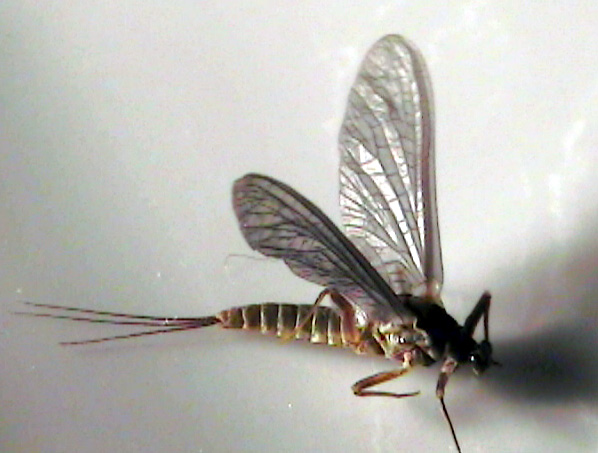
Gray Drakes:
The Gray Drake is common to many streams in the park. Where the are, Slough Creek for example, they can cause selective feeding.
Spotted Caddis:
Certainly the very common and very plentiful spotted caddisfly can cause the trout to feed selectively. This can go on for quite a while in the summer on some streams.
Little Sister Caddis:
Not as plentiful but existing still in large quantities is the Little Sister Caddisfly. We have seen the trout become selective on these. The lower section of the Gibbon River has a large hatch in July.
Conclusion:
To be successful fishing the various streams of Yellowstone National Park, an angler must understand the different types of water and the hatches. Attractor patterns will work in some cases and not in others. You must know when and where these difference occur.
You must also understand the behavior of the aquatic insects in order to catch fish consistently. Just having he right fly is not enough. You must know where and when to present it and how to present it to be successful.
Copyright 2011 James Marsh
Guide to Imitating Aquatic Insects teaches you how to fish all the mayfly hatches.
Click Here for More Information
We will help you select flies
for your Yellowstone trip.
Just call us Toll Free at
800-594-4726 or email us
and tell us when you will be
fishing. Although we can
arrange faster delivery,
please allow five days for
normal delivery. Shipping in the U.S. is free. We will select the flies based on the insects that will be hatching at that time.
Opportunistic Feeding:
In most of the small pocket water type streams, most often the trout are feeding opportunistically. In other words they eat a variety of food and sometimes just about anything they can find.
Selective Feeding:
Trout can and do feed selectively in the park. There are usually several different species of insect available for the trout. When trout select only one species of insect, or other food for that matter, and feed on it exclusively, there’s always an abundant amount of the food available. They do this because they can feed more efficiently. They feed heavily on the most prevalent food and ignore the others. They no longer have to resort to looking for food. They can stay in one place and eat all they want. They can maximize their food intake while minimizing their energy expenditure. This is not a choice the fish makes. It is a trained response.
Impressionistic Imitations:
Generic imitations, sometimes called impressionistic imitations, work often when specific imitations do not. If an angler is using a specific imitation of something the trout are not feeding on, then they may be better off with a generic imitation that represents a variety of insects.
Specific Imitations:
On the other hand, often when the trout are feeding exclusively on insects of a certain species in the park, anglers fail to catch trout consistently because they do not use a specific imitation. This occurs far more often when the trout are feeding on nymphs, larvae or pupae stages than it does when they are feeding on insects on the surface of the water. Underwater selectivity is the least understood topic in fly fishing for trout. The reason is very simple. You can’t see what the trout are eating under water very well and usually, not at all. During these times most anglers are satisfied to believe that fishing is poor. They fall back on the stereotyped labels for fishing conditions.
Different Viewpoints:
Marine or fish biologist (behavioral scientist) tend to believe that fish feed only opportunistically. If trout were not somewhat selective, they would starve. They can tell the difference most of the time in tiny leaves, twigs and other stuff that look somewhat, at least from an impressionistic standpoint, like little insects. They eat a few things by mistake but not much or they would starve. They can dang well rise beneath your fly on their way to eat it and suddenly turn away from it, rejecting it. When that happens they are being selective about what they eat. Selectivity is not something that is either in effect or not in effect. It is a matter of the degree it exist at the particular time and at the particular place. Don’t misunderstand me please. It is just a matter of definition – selectivity and the angler sees it or selectivity as the scientist see it.
Oxygenated Water:
Normally some trout, especially the rainbows, can usually be found to some extent in the fast moving, pocket water. One reason for this is that during the hot summer months of the year on some lower elevation streams the water temperatures in the park are on the warm side of that preferred by trout. Since warm water holds less dissolved oxygen the trout have to seek the oxygenated water to survive. During this time they tend to stay in the faster water such as plunges, runs and pockets.
Standby flies such as the Adams, a pattern that to some extent imitates any mayfly and maybe even some caddisflies, often work well. Some of the very high headwater streams in the park have a low PH. In this type of water, the insects have little to feed on. Insects that feed on algae exist in these types of streams but not in large quantities. Acidic water doesn’t contain much plankton or algae. Several species of aquatic insects exist in large enough quantities to cause the trout to feed selectively in the park.
Click below for a list of flies for Yellowstone:
Mayflies
Caddisflies
Stoneflies
Midges
Streamers
Terrestrials