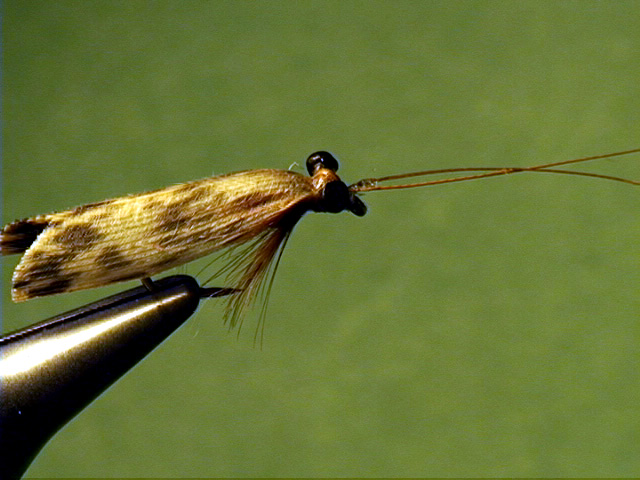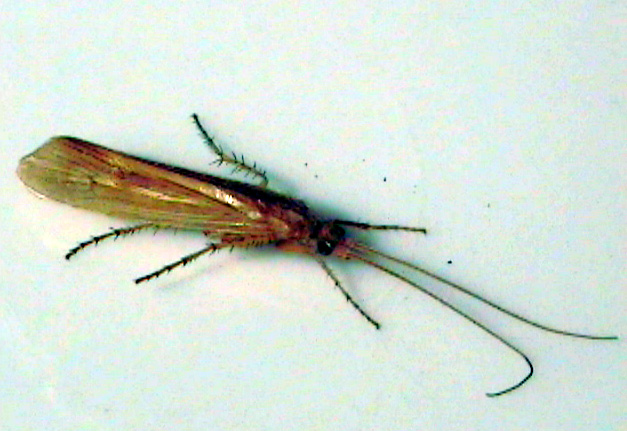
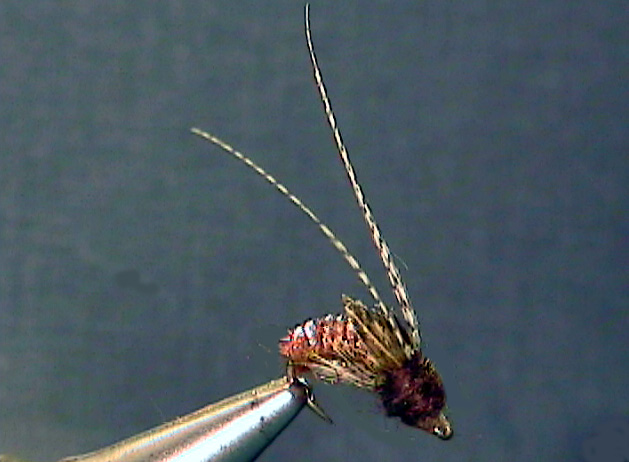
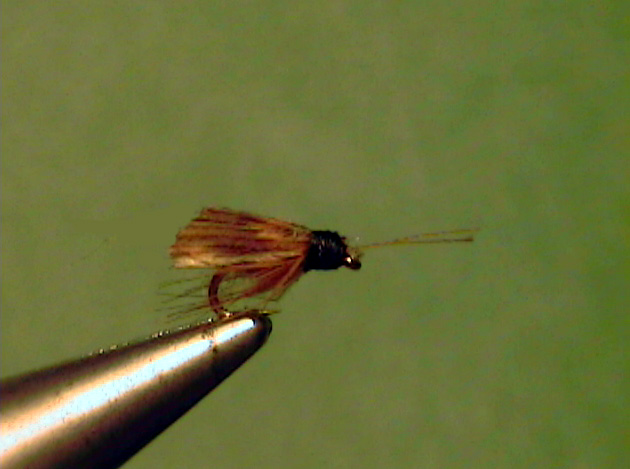

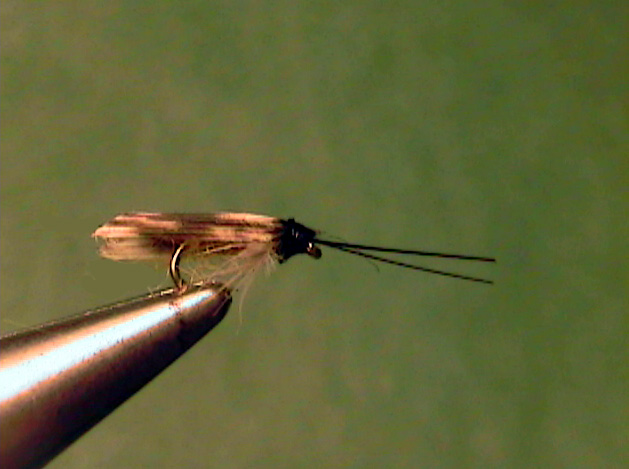
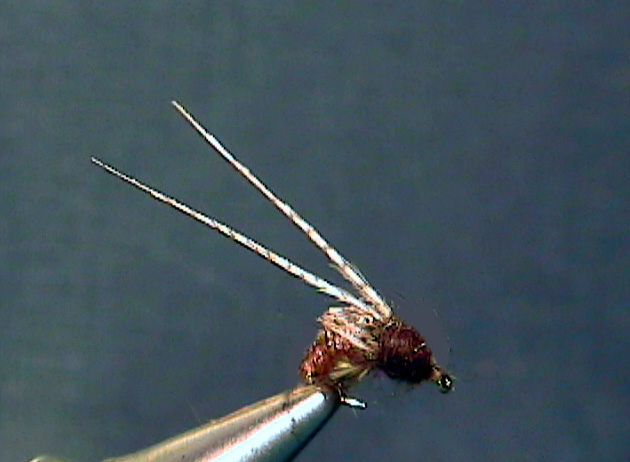
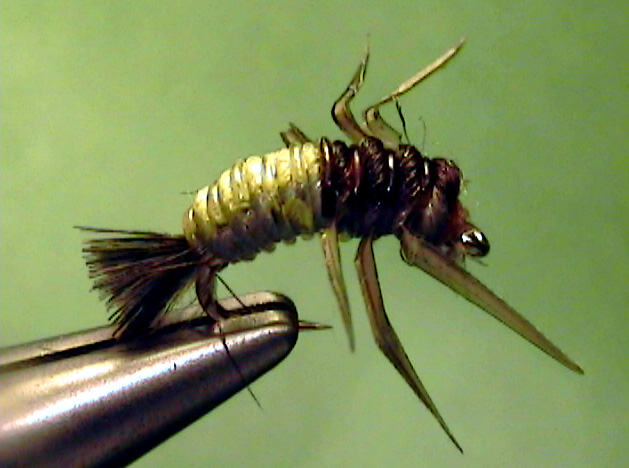

The following flies are the ones we recommend to imitate the various species of caddisflies that hatch in the streams of Yellowstone National Park.
Little Black Caddisflies:
Modest abundance, widespread distribution
Brachycentrus genus 16-18 Hook Size
Emerging Pupa:
Perfect Fly “Little Black Caddis Pupa”
Hook size 16
Adult:
Perfect Fly “Little Black Adult Caddis, Hook size 16
Click Here to see and purchase these flies
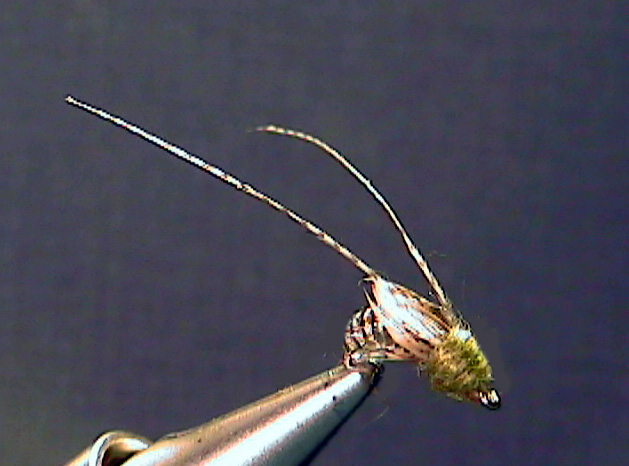
Short-horned Sedges
Modest abundance, scattered distribution
Glossosoma species 20-22 Hook Size
Emerging Pupa:
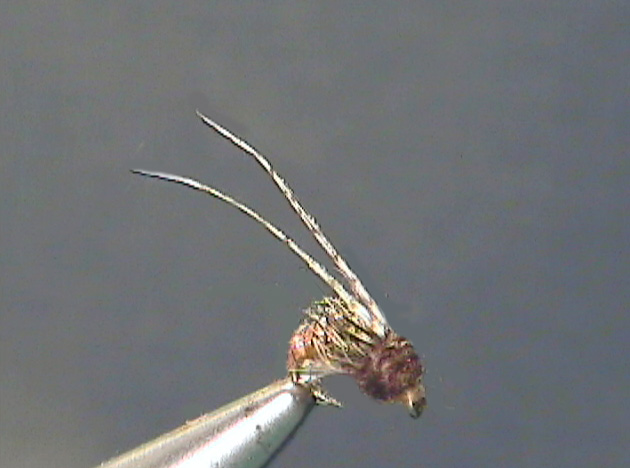
Perfect Fly “Short-horned Sedge Pupa,
Hook size 20
Adult:
Perfect Fly “Short-horned Sedge Adult,
Hook size 20
Click Here to see and purchase these flies
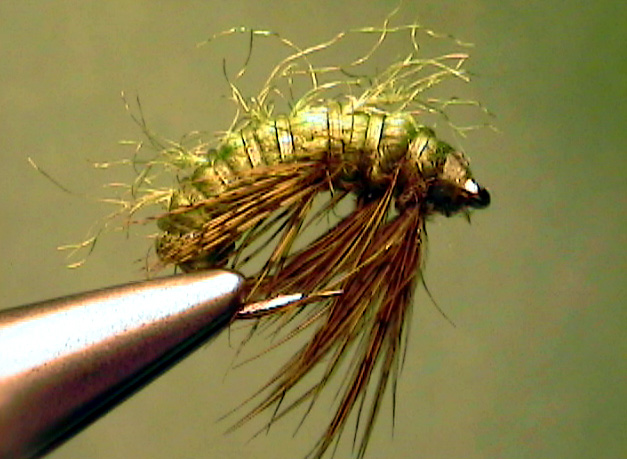
Green Sedges:
Moderate abundance, scattered distribution
Rhyacophila species 14-16 Hook Size
Larva:
Perfect Fly “Green Sedge Larva”, Hook Size
14/16
Emerging Pupa:
Perfect Fly “Green Sedge Pupa”, Hook Size 14/16
Adult:
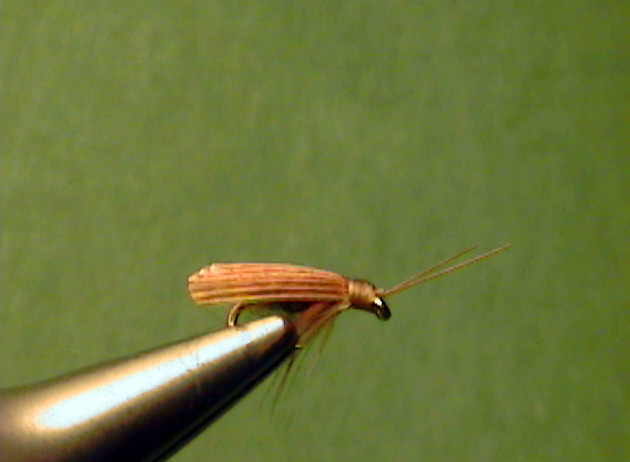
Perfect Fly “Green Sedge Adult”, Hook Size 14/16
Click Here to see and purchase these flies
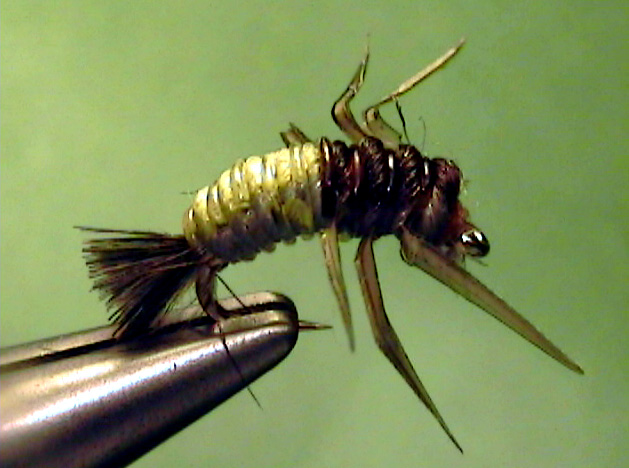
Spotted Sedges:
Abundant, isolated distribution
Hydropsyche species 14/16 Hook Size
Larva:
Perfect Fly ‘Spotted Sedge Larva”,
Hook size 14/16
Emerging Pupa:
Perfect Fly “Spotted Sedge Pupa”,
Hook size 14/16
Adult:
Perfect Fly “Spotted Sedge Adult”, Hook size
Click Here to see and purchase these flies
Little Sister Caddis:
Abundant, isolated distribution
Cheumatopsyche species 18 Hook Size
Larva:
Perfect Fly “Little Sister Caddis Larva”,
Hook size 18
Emerging Pupa:
Perfect Fly “Little Sister Caddis Pupa”,
Hook size 18
Adult:
Perfect Fly “Little Sister Caddis Adult”,
Hook size 18
Click here to see and purchase these flies
White Miller:
Moderate abundance, isolated distribution
Leptoceridae family 14 Hook Size
Emerging Pupa:
Perfect Fly “White Miller Pupa”, Hook size 14
Adult:
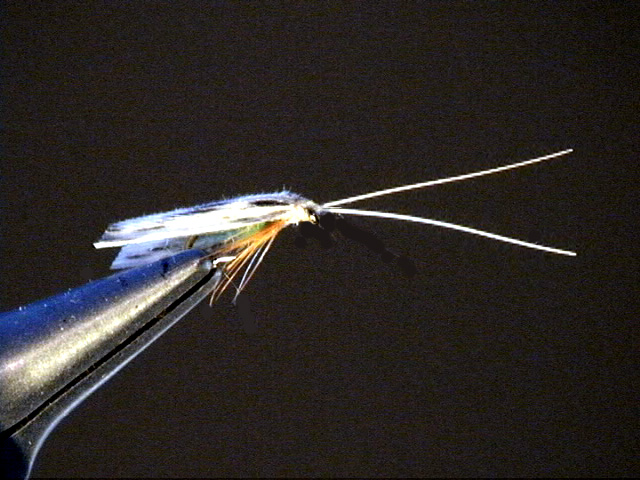
Perfect Fly “White Miller Adult”, Hook size 14
Click here to see and purchase these flies
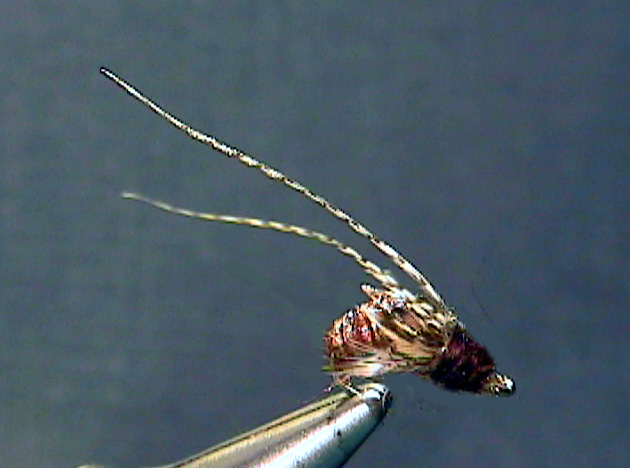
Speckled Peter:
Abundant, isolated distribution
Helicopsyche borealis #20 Hook Size
Pupa:
Perfect Fly “Speckled Peter Pupa”, Hook size 20
Adult:
Perfect Fly “Speckled Peter Adult”, Hook size 20
Click Here to see and purchase there flies
Little Brown Caddis:
Moderate abundance, isolated distribution
Lepidostoma sp
Emerging Pupa:
Perfect Fly “Little Brown Pupa”, Hook size 18
Adult:
Perfect Fly “Little Brown Adult”, Hook size 18
Click Here to see and purchase these flies
Great Gray Spotted Sedge:
Low abundance, isolated distribution
Archopsyche grandis
Larva:
Perfect Fly “Great Gray Spotted Sedge Larva”,
Hook size 10
Emerging Pupa:
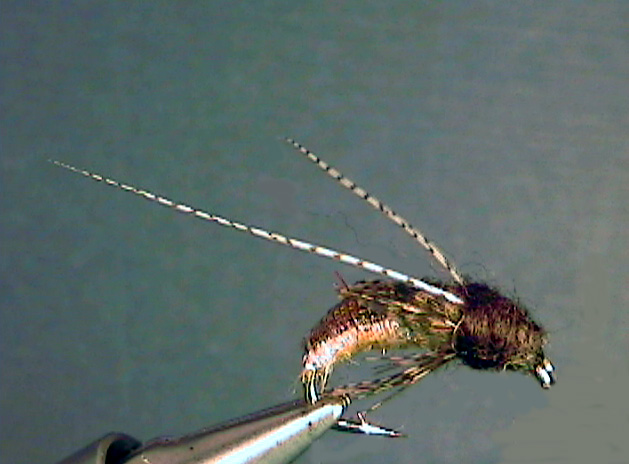
Perfect Fly “Great Gray Spotted Sedge Pupa”,
Hook size 10
Adult:
Perfect Fly “Great Gray Spotted Sedge Adult”,
Hook size 10
Click here to see and purchase these flies
Copyright 2009 James Marsh
Click below for a list of flies:
Mayflies
Caddisflies
Stoneflies
Midges
Streamers
Terrestrials
larva can be productive.

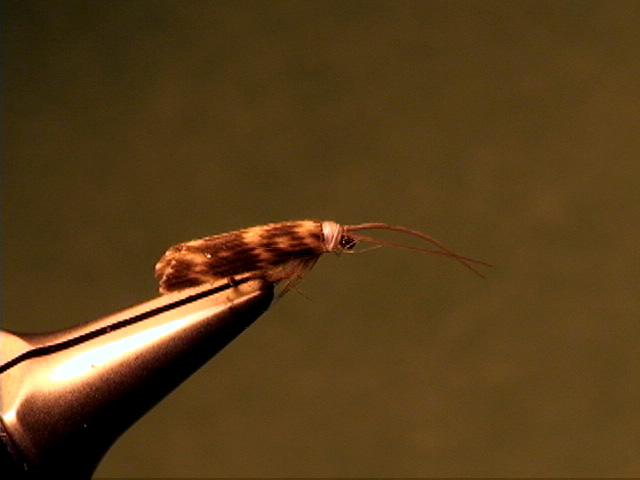
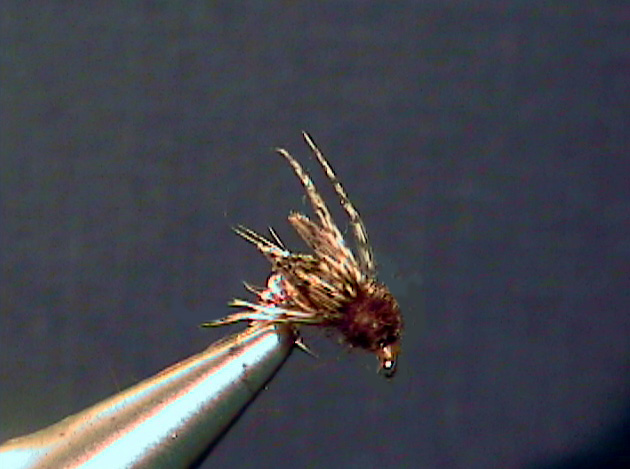
Short-horned Sedge Pupa
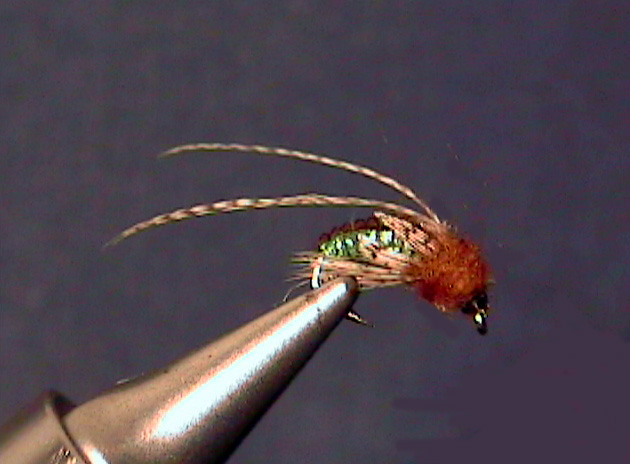
Green Sedge Pupa
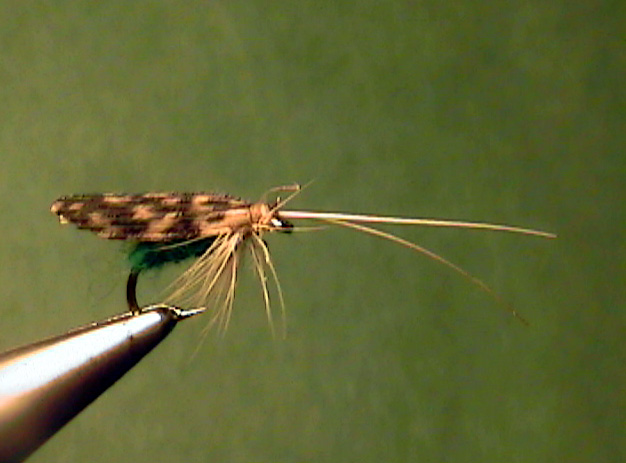
Green Sedge
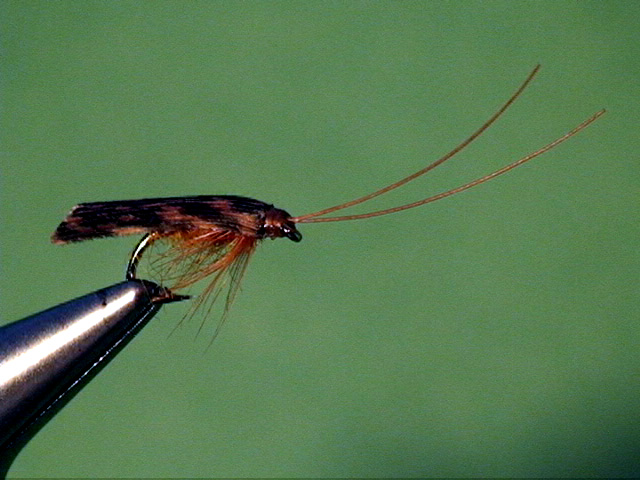
Spotted Sedge
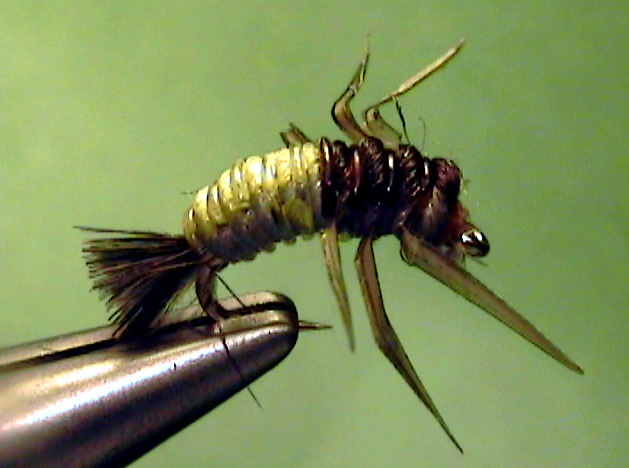
Spotted Sedge Larva
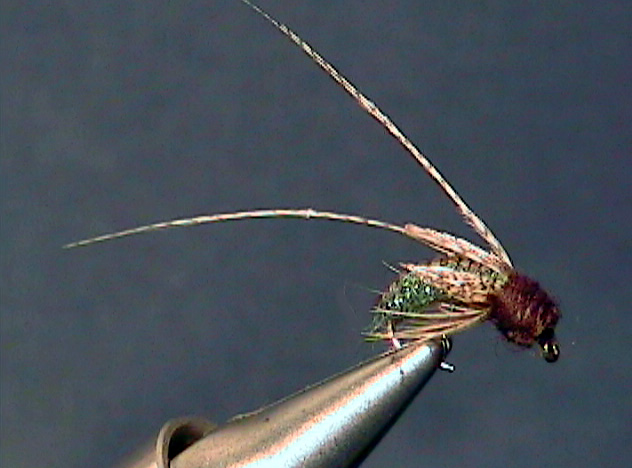
Little Sister Caddis Pupa
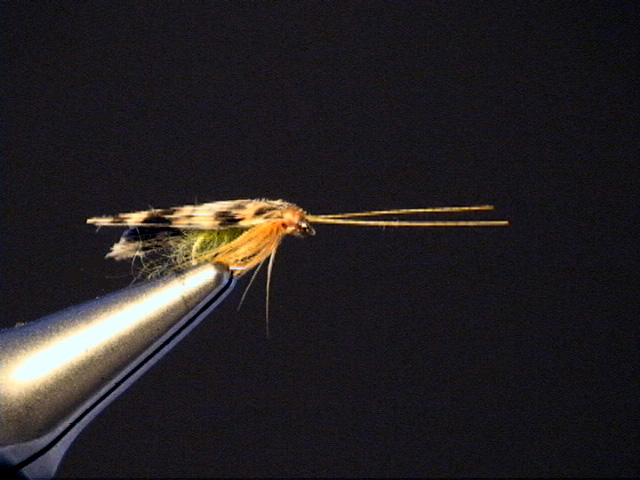
Little Sister Adult Caddis
Gray Spotted Sedge Pupa